Showing posts with label About the Philippines. Show all posts

Thursday, January 9, 2020

Thursday's Pic: Vigan City: The Dancing Fountain (Daytime)

Location: Plaza Salcedo 
Learn more about the dancing fountain on their facebook page!

At night, around 7pm people start to gather in the bleachers around the dancing fountain. Around 8pm the show begins!

Sunday, November 24, 2019

November 24th: Traditional Thanksgiving


I'm posting this with last week's video because this is still referenced to last week's video but it is still relevant for this weeks. 

Hello Everyone!

  This post will be about a 'Traditional' Thanksgiving. In the video I call it generic only because I couldn't figure out the word I was looking for but my brother-in-law who is also white said that I wasn't wrong. The way he put it... "At my parent's Thanksgiving I know exactly what we're going to have... with a few exceptions." Whereas, at my family Thanksgiving the dishes vary because to us, we're celebrating a holiday with a few themed items. For example, I wouldn't be surprised to see Pumpkin pie or Christmas cookies when I go meet up with my family in two weeks because we're celebrating both Thanksgiving and Christmas. Outside of that, it boils down to who's cooking and what's available.

  If you want to read more about Thanksgiving here's a link to an article from the history channel! Basically, Thanksgiving started as a holiday for the harvest but wasn't officially a holiday until later. However it was celebrated consistently each year!  Thanksgiving, to me, is a time to be thankful and to spend time with your family and/or friends.

  When I talked to my boyfriend and brother-in-law about their family traditions I learned that there's always a Thanksgiving football game. Apparently, the Dallas Cowboys always play on Thanksgiving. Due to this, Thanksgiving 'dinner' usually occurs around 3PM rather than 7-10PM because the Dallas Cowboys play at 7PMish. My boyfriend's family prepare for Black Friday which is a holiday that comes after Thanksgiving that has many sales to steal.

  Black Friday and Cyber Monday: On Black Friday is the first Friday after Thanksgiving. Many stores open early and release deals that push their sales. Black Friday isn't exactly a holiday, it's a day that many businesses decide to release deals at once and people then go shopping for anything and everything for a low price. This day is usually heavy in traffic and is very dangerous depending on when and where you go. There have been many cases of death and injury on this day because of the intensity of greed that people have. People are willing to do anything to save money or to get what they want.

  Cyber Monday is the online version of Black Friday. It occurs on the following Monday after Thanksgiving and consist of online deals that people can order and have shipped to wherever they please. An example could be an online purchase to a store within the city. They can then have the items shipped to the store and they can pick it up then. Or, they can ship it to their home or to whomever they are buying the item for.

  I suppose I can do another post over this section but for now I'll leave those at that. In my boyfriend's family, during Thanksgiving when they're sitting around the table and eating, they all take a moment to name one thing they're thankful for. My  brother-in-law's family doesn't do that but everyone has their own traditions!

  Now onto the food! My boyfriend and bother-in-law's family both had a similar list. My brother-in-law added like two items to what my boyfriend has listed so here are the dishes that they eat during Thanksgiving!

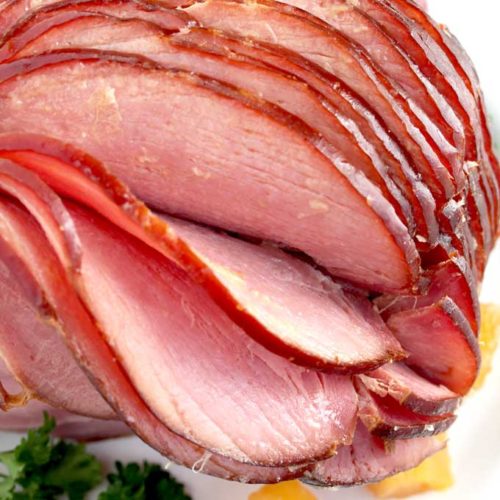
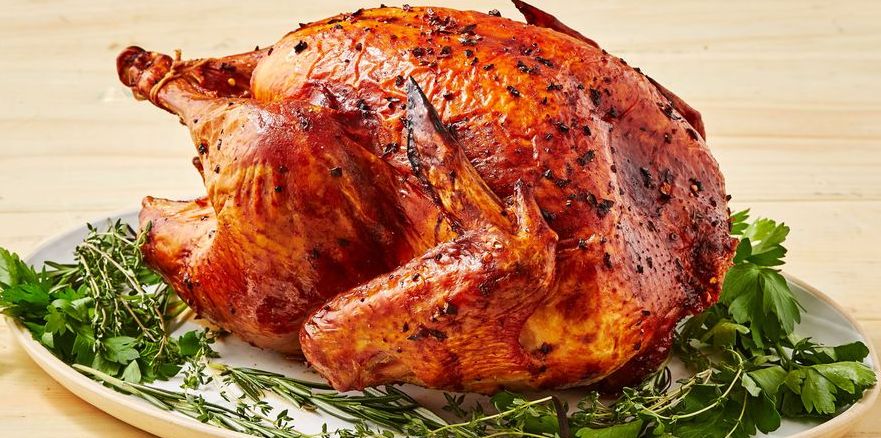
Turkey or Ham
Image result for ham
Ham
Image result for turkey
Turkey


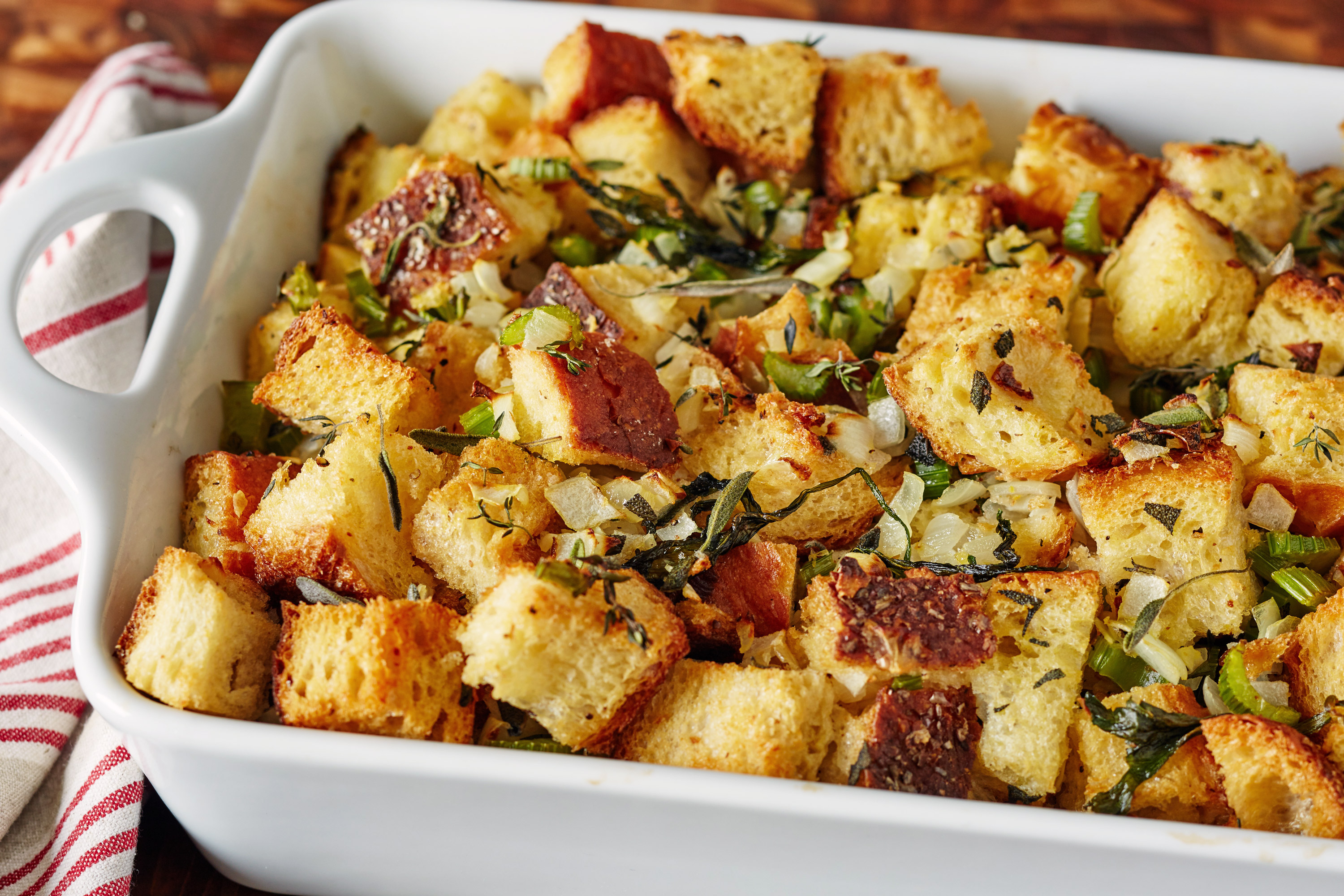
Stuffing/Dressing

Image result for stuffing in turkey
A Stuffed Turkey

Image result for stuffing
Stuffing - Dressing

What is it?

  Stuffing is bread soaked in broth and seasoning then rebaked.

Fun fact: Stuffing used to be stuffed inside the Turkey which is why it is called stuffing. However, both my brother-in-law and my boyfriend have told me that it's not the best way to cook it. Instead, the process is done separate which is what makes it Dressing. This item goes with the Turkey/Ham.

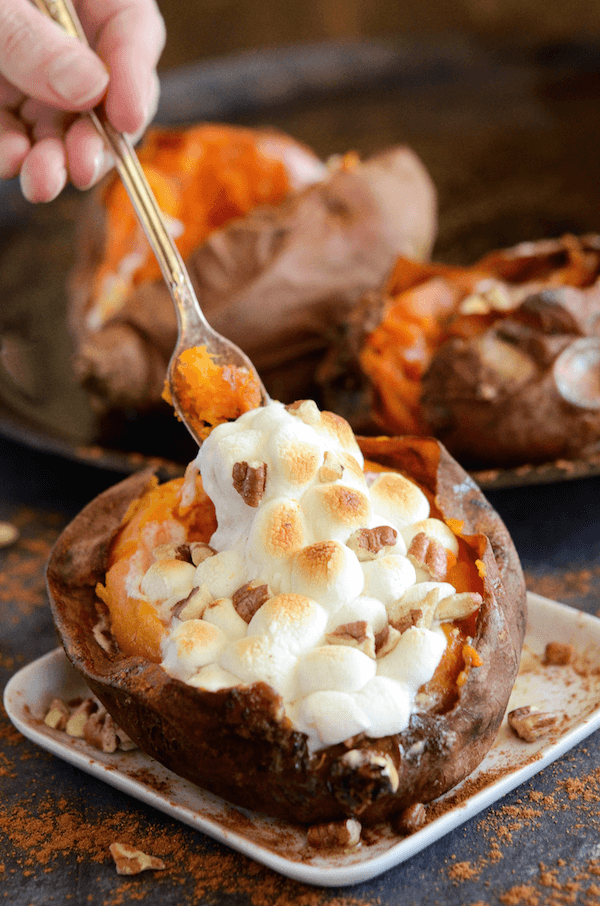
Mash Potatoes and Gravy (brown or white), Sweet Potato

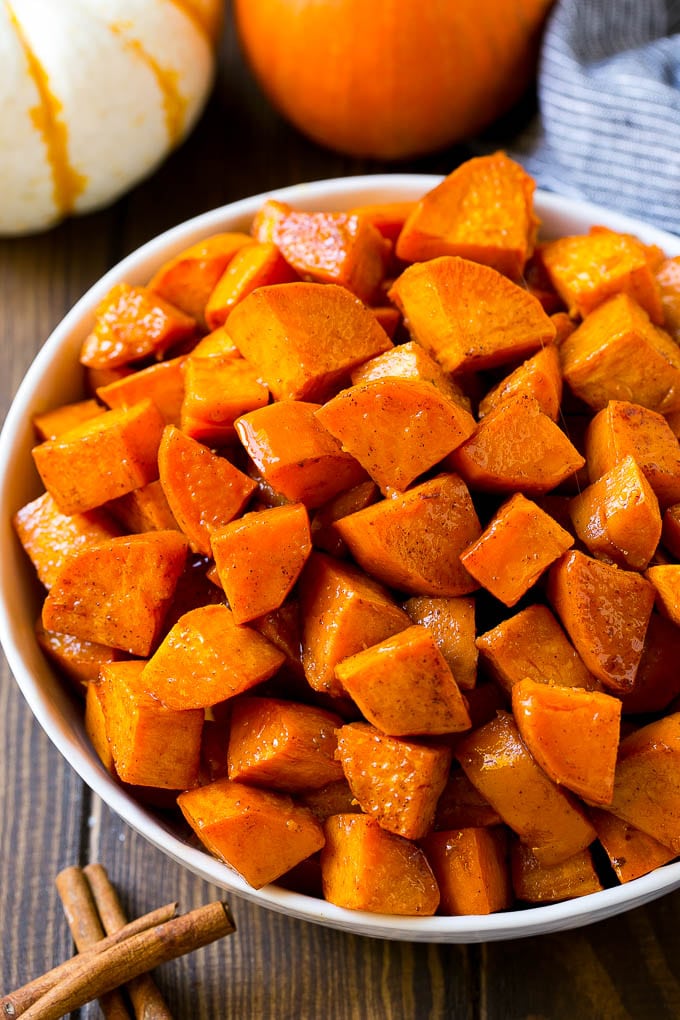
Image result for loaded sweet potato
Loaded Sweet Potato
*When I looked up 'loaded sweet potato' I got many different types of images. Apparently, people make their loaded sweet potatoes all different! In my boyfriend's family they use caramel, marshmallows, and cinnamon, and butter!
Image result for sweet potato
Sweet Potato
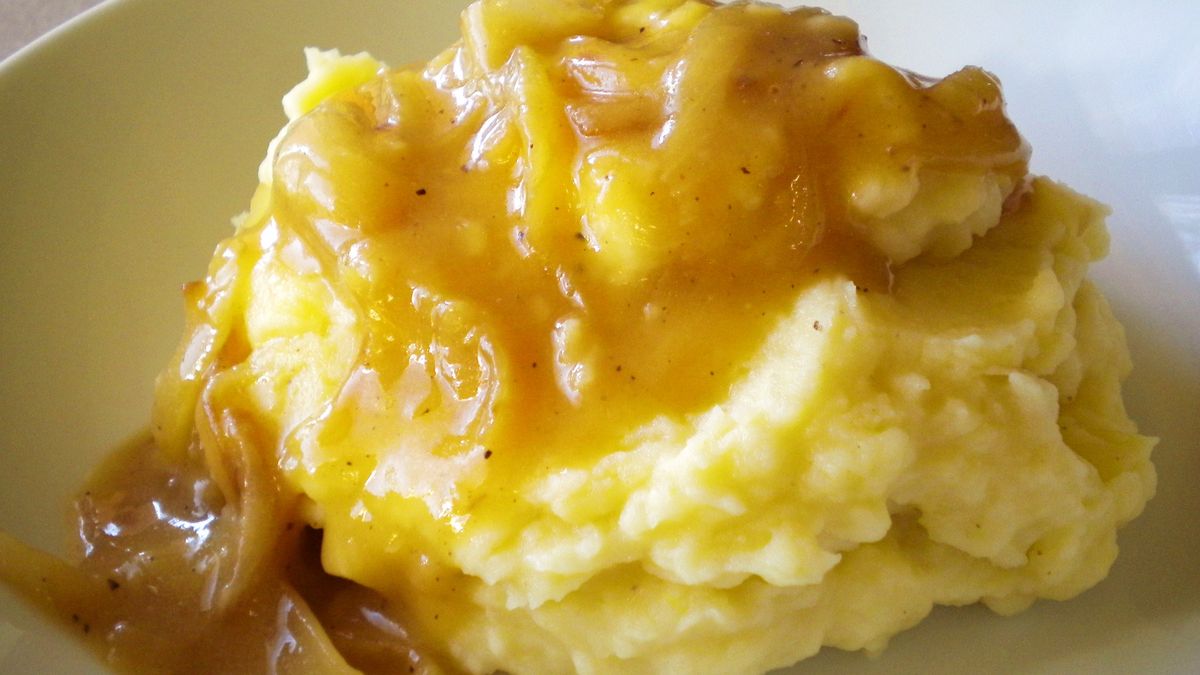
Image result for mashed potatoes and white gravy
Mashed Potatoes - White Gravy
Image result for mashed  and gravy
Mashed Potatoes - Brown Gravy

Image result for mashed potatoes
Mashed Potatoes


Casseroles: Cream Corn, Green Bean, Broccoli Cheese

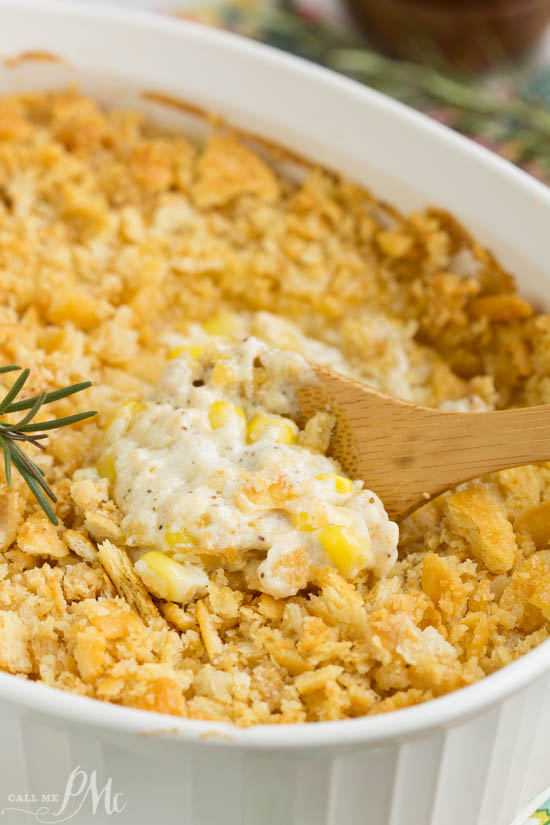
Image result for cream corn casserole
Creamed Corn Casserole

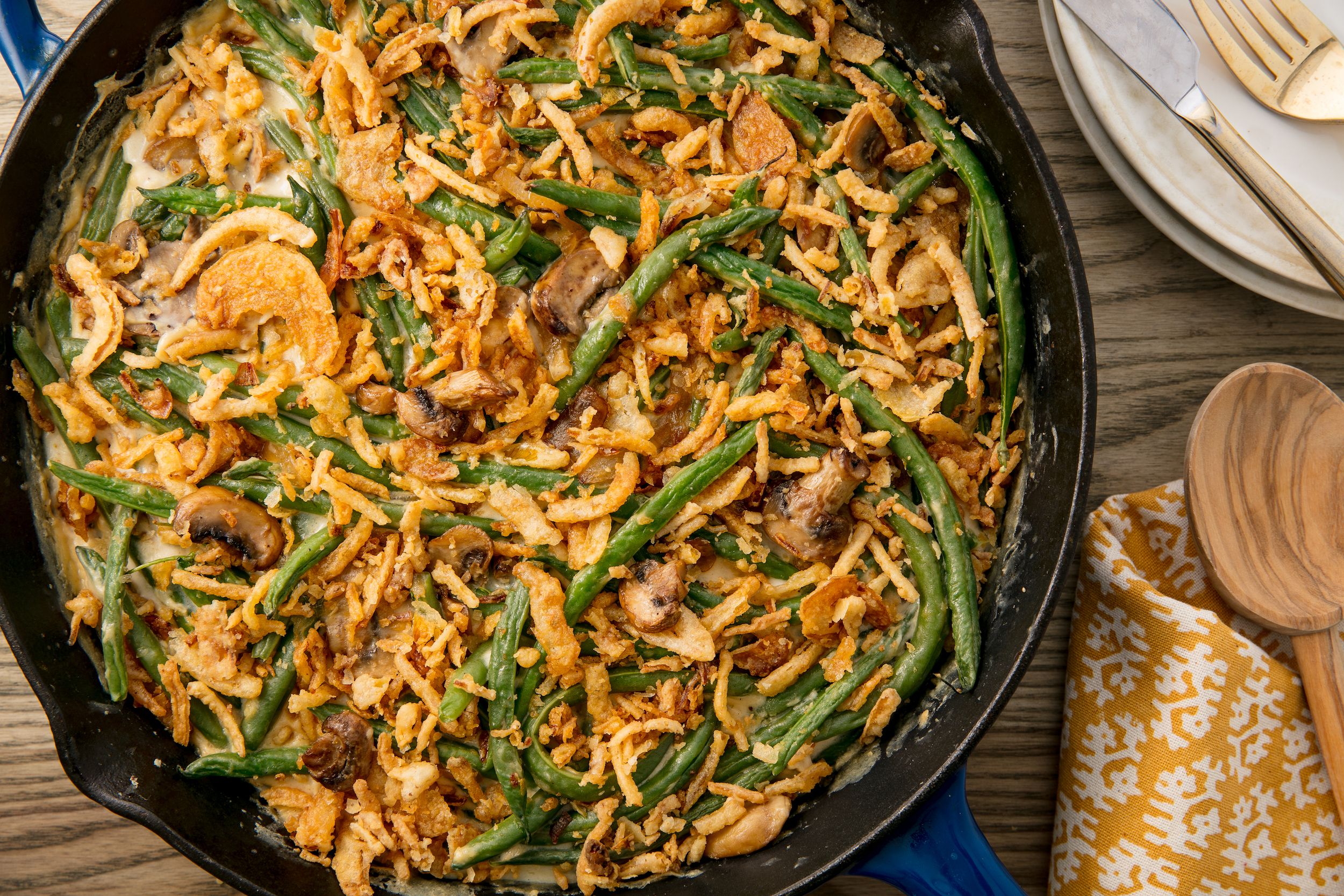
Image result for green bean casserole
Green Bean Casserole

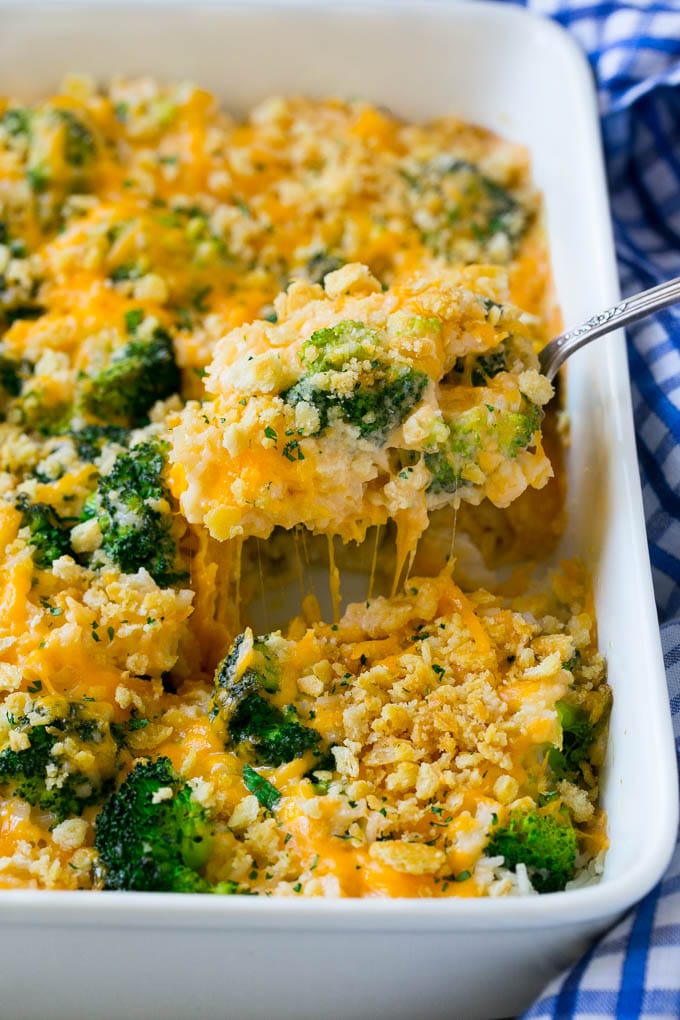
Image result for broccoli cheese casserole
Broccoli Cheese Casserole

Cranberry Sauce

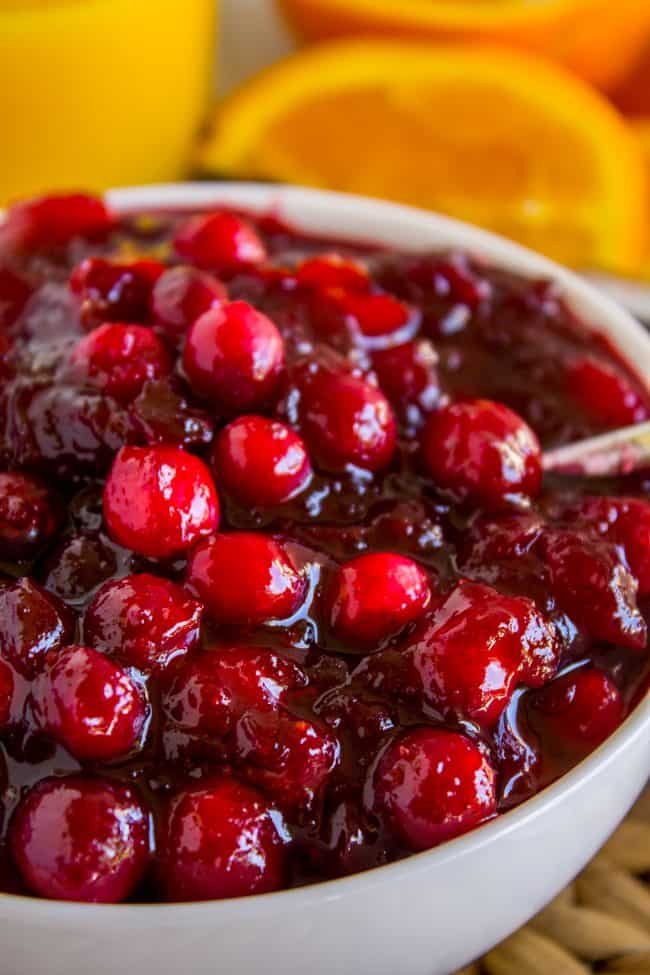
Image result for cranberry sauce
Cranberry Sauce

Squash

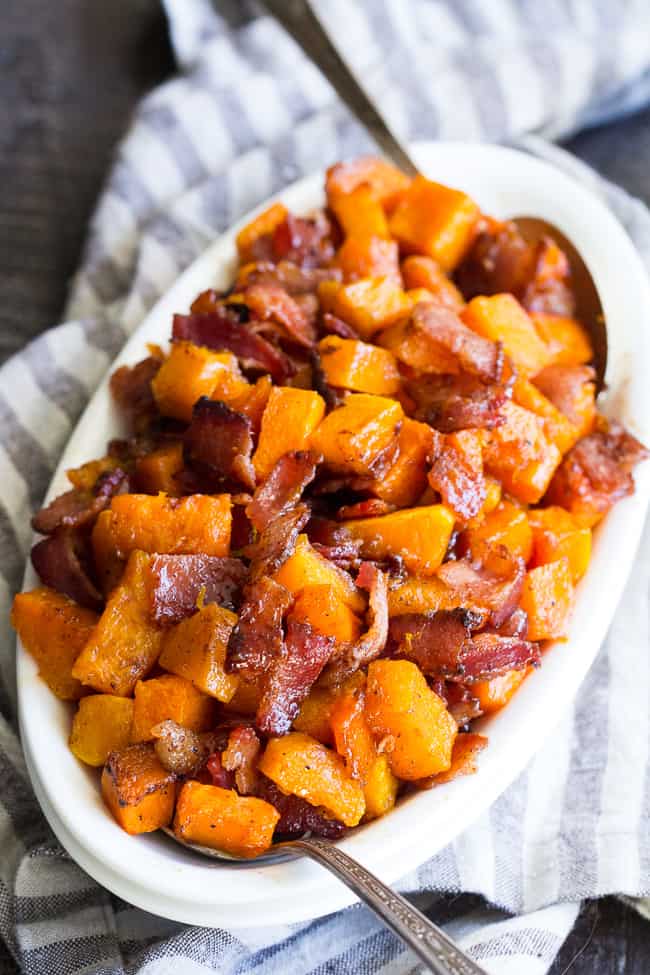
Image result for thanksgiving squash
Squash

Bread Rolls

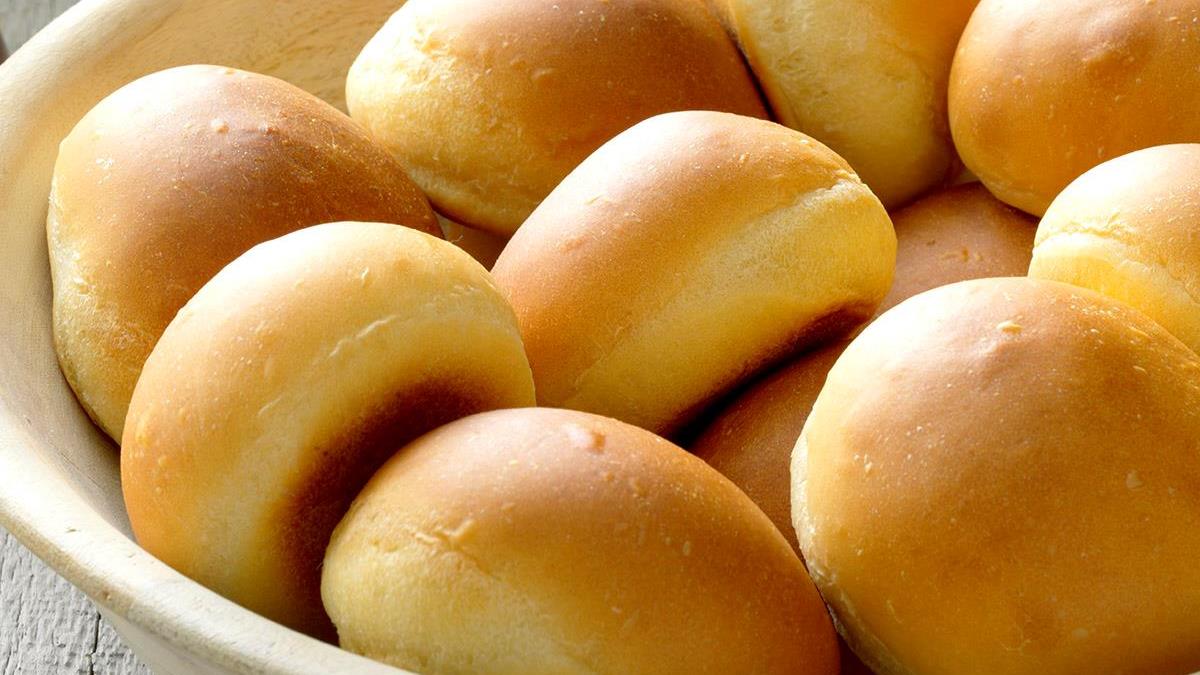
Image result for bread rolls
Bread Rolls
--
  I want to point out that even though these look DELICIOUS... As someone who can't eat dairy or glutton all I can eat is the turkey, ham, sweet potato (without butter), and the cranberry sauce. I suppose I can eat the squash if they make it without butter but I have yet to eat squash on Thanksgiving. 

  Thank you for tuning in! For those of you who are from the U.S I want to hear about your thanksgiving traditions in the comments below or in the video comments. If you're not from the U.S then I want to hear about any harvest holidays or festivals that you have in the comments below or in the video comments. 

Happy Thanksgiving Everyone!
Dj/Cho/Nar

Learning something? Keep up with me so that you don't miss a post, video, or pictures!

Keep up with me at the following:

Youtube

I began to vlog on October 2nd 2019! Whether you prefer to listen to my vlog, read my blog, or enjoying looking into both, I appreciate it!


Ask Questions Here

 This will send me an email with your questions you don’t have to leave a name. I will post the answer to the blog!

 
Facebook

      This is mainly for communication so go ahead, add me. Message me every once in a while so that I remember who you are. Otherwise, I'll delete you at the end of the year when I clear through my facebook lol.

 
Instagram

       I follow anyone who follows me! This is mainly pictures of where I go!

 Wattpad


       Writing has always been a passion of mine. Interested in reading what's on my mind? Read up on a more emotional perspective of my life here!

Friday, November 22, 2019

Nov 21st, 2019: Filipino Thanksgiving


Hello All,

  This week I wanted to talk about Thanksgiving since it’s next week. This time I wanted to cover my experience in America and then I’ll write about Thanksgiving in the Philippines. My family celebrates Thanksgiving and Christmas together mainly because we’re spread out and we all have our different schedules so we’ve made Thanksgiving our ‘all holiday meet up day’. That way, even if you can’t make the celebration in San Angelo or Dallas or wherever we plan to go, everyone tries to make it to the Thanksgiving meet up (which as I’ve mentioned, I have yet to attend).Hello All!

  When my family celebrates in general, we have food and we usually drink. In the mornings of the celebration usually the women are cooking unless we’re using the grill, then my brother-in-law, dad, uncle(s), or aunt are the ones cooking on that. We have a variety of dishes but my family always includes at least one or two pizzas for my one uncle who doesn’t eat the food we make unless it’s steak.

  At first, when I started to bring my boyfriend around the family, my parents and my aunt freaked out and would make him a separate dish so that he wouldn’t have to eat the food that was made for ‘us’. My boyfriend, however, likes to eat crab and is willing to try the dishes as long as they’re not very intense smelling or have onions in them. I tell my family to skip the ‘what’s in it’ description and I also warn him about it because I want him to try it without thinking about it. I’ve learned that many people don’t eat certain foods because they think about it and they don’t try it. Basically, they’re judging it before they give it a chance and I told my boyfriend that he can’t be like that if we’re going to be together.

  I don’t mind if he doesn’t like the food after he tries it. Generally, I tell him to try it three times at separate occasions and if he doesn’t like it, then fine! However, he can’t simply look at it and say that he’s not going to eat it because of what’s in the food or what it looks like or how it smells so I’m glad that I got him to adjust to at least trying the foods.

  If we’re not using the grill or killing a goat or chicken or pig (whatever it may be) then my brother-in-law and my job is to run the errands. If my sister(s) or mom are missing an ingredient or we need ice or sodas one of us goes and gets those items. Other than that, in the morning, while the food is being made, me and my brother-in-law are usually watching T.V to pass the time.

  Now, if we’re using the grill then the situation is different! This also applies to when we have a goat, chicken, or pig to kill. Now that I don’t live with my parents I’m not usually around early enough for this process but when there is an animal to kill my dad, brother-in-law, and uncle(s) are the ones to kill it (Not butcher it. What we do is make the process quick. We respect the animal, we’re not heathens).

  Up to a week prior of the celebration we go and buy a goat, pig, or chicken off of a farmer and take care of it until it’s time for us to eat it. Next time we kill an animal I’ll take notes and post it for you all but at the moment I can’t quite remember the whole process besides that we take care of it and kill it quick. When we have a chicken we usually use the blood and let it drip into a pot of uncooked rice and let it set in there to flavor the rice. Not everyone eats it but I think it’s good once it’s cooked. This dish is called dinadaraan

  Normally, we buy a baby up to a young goat. We don’t usually go for the older goats and we don’t always get adults because it depends on the amount of people that are showing up. The dishes we tend to make are

Goat: sinigang* (IL), kaldareta(IL), pinapaitan(IL), and kilawin (IL)(lightly cooked)  

*Sinigang means sour soup and can be made with any meat including shrimp

Image result for kaldereta
Goat: Kaldereta
Image result for pinapaitan
Goat: Pinapaitan

Image result for kilawin
Pork: Kilawin
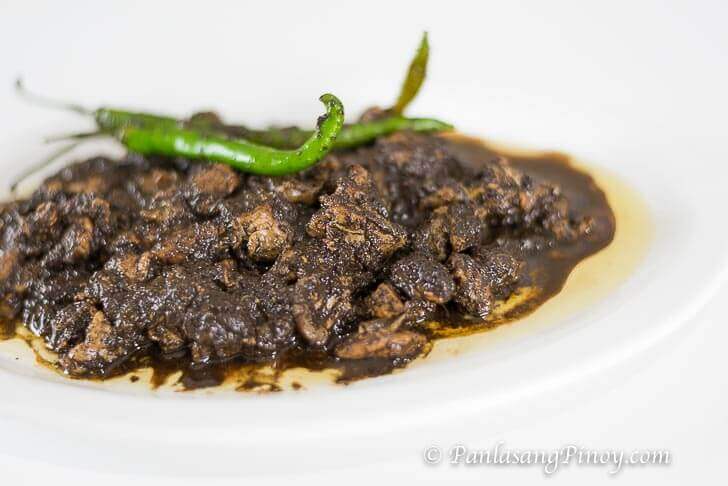
Chicken: tinola (Tag/IL), pinakbekan (Igorat), and dinadaraan/dinuguan(IL/Tag)
Image result for dinardaraan
Chicken: Dinardaraan
Image result for pinikpikan
Chicken: Pinikpikan
Pig: Lechon

Image result for tinola
Chicken: Tinola


Pig: sinigang ng baboy and lechon

The Image for Lechon messed with the coding of my post so I'll show you all a picture through my video instead.
Image result for sinigang na baboy
Pork Dish Sinigang na baboy

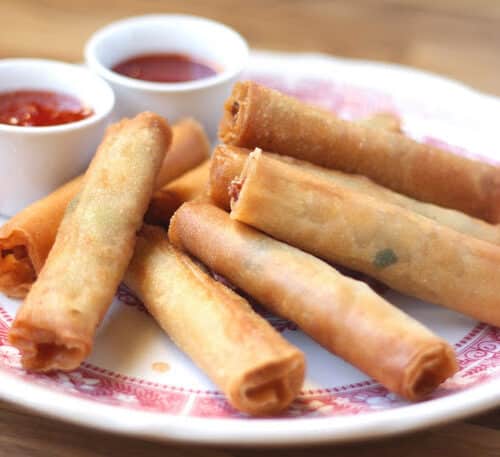
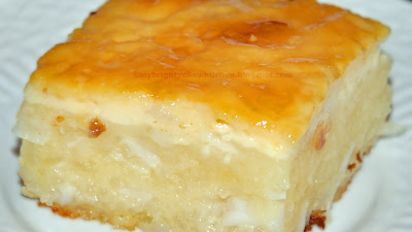
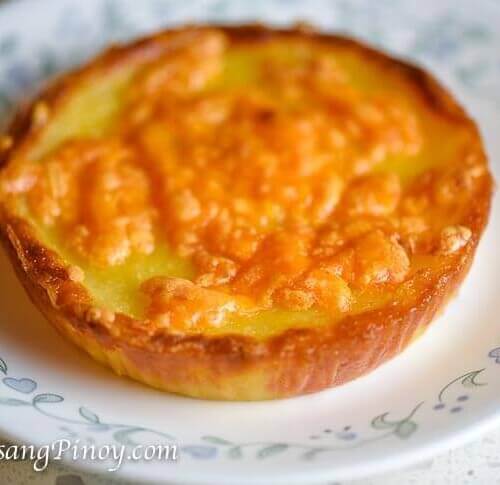
We also have cassava cake or bibingka and lumpia.
Image result for lumpia
Lumpia

Image result for cassava cake
Cassava Cake
Image result for bibingka
Bibingka
Alcohol wise we tend to drink whiskey, rum, scotch, rye, gin, and beer.

The Beer selection usually consist of Corona and Dos Equis. Sometimes, there’s a craft beer of some sort.

  Now that you all have read/seen what my family does for Thanksgiving, the next post will consist of what my boyfriend’s family makes as well as their traditions. I also asked my brother-in-law for some help because he is also white and he added a few bits of information to what they do. I’ll make sure to take pictures of the food they make this year and share the recipes (as well as share the same info from my thanksgiving party).

  I also want to point out that most of the dishes are Ilocano dishes as well as an Igorat dish that Ilocano speaking people know as that word. 

  Generally, my family celebrates this way for every holiday. Our main focus is to meet up, have a good time, have good food, and drink, then deal with the hangover the next morning. If you’re Filipino and want to share what foods you eat on Thanksgiving please do! Also, if you can, please share the recipe with me as well so I can post the picture and the info!

Thank you for tuning in with me this week, tune in a few days to read about the generic Thanksgiving my boyfriend’s family and my brother-in-law’s family have. See you soon!
DJ/Cho/Nar
   

Thursday, October 10, 2019

October 10, 2019


October 10, 2019

  Magandang Umaga sa inyo! (Good day, everyone)

  Today I talked about a common misconception that Filipinos have when it comes to understanding what ‘American’ means. In the Philippines, everyone’s race, nationality, and language are the same. Their race is Filipino, their nationality is Filipino, and in general all languages are ‘Filipino’. While in America, people’s nationality can differ depending on their situation. There are Americans, Canadians, and even Mexicans. Some, are duel citizens where they can be, say, American-Filipino.

  In America, people categorize themselves by their race and the state they’re from rather than the nationality or the language they speak. No one says that they’re ‘Spanish’ because they speak Spanish. Most say that they’re Mexican or Latino or Hispanic but many don’t declare that they are Spanish. More commonly, people who speak Spanish say that they can speak the language.\

  How exactly does one describe themselves then as an American? My personal description is that I’m a Filipino who’s from West Texas. Unless a person goes out of state, there’s no reason to mention that you’re from the state that you’re currently in. If anything, people say ‘I’m from here’ which usually indicates that they hometown is the location that the two people are currently having the conversation in. I would say that I’m from West Texas because there are five sections of Texas since it is big enough. The parts of Texas are: North, South, East, West, and Central. Each of these sections are separated because they have different biomes or different trees, plants, animals, and such.

  An outside example would be if someone was from New York and they moved to Texas. They would then say, “I’m from New York.” Most of them won’t mention which city specifically because they don’t expect people from another state to know which city they’re from unless it’s one of the popular locations like New York City or Boston. They’re say their race, we’re going to go with Black for this example. I wanted to say Black because not everyone who is that race will describe themselves as ‘Black’. It all depends on the context. The safest way to describe someone who is ‘black’ is to listen to who they describe themselves and go with that description for that person. Some may say that they’re African-American which is also not a wrong description. (I could probably do a whole article over this but I’m going to leave those two examples for now. If anyone has any questions, leave them in the comment section of either the vlog or the blog post.

  Whereas, in the Philippines people will describe themselves by province or go even father and add a specific location to help indicate where they are from.  I’ll use myself as an example again. I’m Igorat/Ilocano. My family descends from the Kankanae tribe. My mother’s side is from Paltoc, San Emilio, Ilocos Sur and  my father’s side is from Labayug, Sison, Pangasinan. Some people from the city area (like say Vigan City or Candon City) don’t like the word ‘Igorat’ or use it as a vulgar term to describe people who are illiterate or snobby because people who are indigenous tend to have more land.

  The fact is, people who are indigenous have lineage to land that was claimed before the Spanish arrived and because of that, the family was able to keep the land over time. It only means that their ancestors protected what was important to them, not that they’re snobby or rich. A misconception that I’ve run into is that people who are Igorat or Indigenous are considered snobby because of the amount of land they have (this converts to how much money they would have to buy the land). But, if the land was bought or claimed for cheap or nothing at all in the past and was well protected over the years then the land would not have been bought for an expensive price to begin with. It could be sold for a higher price if it lasted generations but most Filipinos are protective of their birthright and would not sell off their land that they’ve had in the family for generations.

  As an example of someone who isn’t Indigenous, let’s say that someone is from Candon City. Their mother is from Candon and their father is from Bantay. Both families have Spanish last names (Let’s go with Garcia). They wouldn’t say that they come from a Spanish background. Instead, they would indicate which language they speak the best. Whereas, my cousins would say Itneg (the language of the municipality), someone from Candon or Bantay may say Tagalog/Filipino or Ilocano.

  More people in the Philippines tend to describe themselves with their language (since it is regional) rather than saying that they’re ‘Filipino’. If someone were from Pangasinan they wouldn’t say they’re Pangasinan, they’d say that they’re Pangalatot (or a language that is spoken over in that province) where as someone from Ilocos Sur or Norte would say ‘I’m Ilocano’. There have been fights over whether the term ‘Iloco or Ilocano’ is correct and I’m not going to fight people over something they feel so strongly about. It doesn’t matter to me whether someone is Iloco or Ilocano as long as they’re not a bad person. In my personal description I’m not considered Ilocano, I’m considered ‘Itneg’ since it’s the language of my family. However, is more than one type of Ilocano language as well as more than one Itneg language so even if I were to say that I’m ‘Itneg’ it wouldn’t meant that I can understand someone who speaks a variation of the language.

  I hope this helps clear up some confusion in either of my audiences. Let me know what you think and if you have any questions that you want me to cover! Thank you for tuning in this week and I’ll see you all next week! Also, I made a chart to help compare last week’s conversation. I hope it helps both my audiences understand each other better.


See you next week!
DJ/Cho/Nar

Keep up with me at the following:

Youtube

I began to vlog on October 2nd 2019! Whether you prefer to listen to my vlog, read my blog, or enjoying looking into both, I appreciate it!


Ask Questions Here

 This will send me an email with your questions you don’t have to leave a name. I will post the answer to the blog!

 
Facebook

      This is mainly for communication so go ahead, add me. Message me every once in a while so that I remember who you are. Otherwise, I'll delete you at the end of the year when I clear through my facebook lol.

 
Instagram

       I follow anyone who follows me! This is mainly pictures of where I go!

 Wattpad


       Writing has always been a passion of mine. Interested in reading what's on my mind? Read up on a more emotional perspective of my life here!

Wednesday, October 9, 2019

How To Relieve The Self: A Comparison between a Western Toilet and a Filipino Toilet


Western
 
 What to say when going to relieve the self: 
"I'm going to the bathroom." 
"I'm going to the restroom." 
"I need to pee." 
"I need to take a piss." 
"I'm going to use the John." 
(There are more ways to ask but basically this is it.)
Parts of the toilet:
Toilet Tank (The Back)
Toilet Seat (What you sit on)
Toilet Paper (Yes this counts)
Toilet Bowl (When you flush, it goes down this)
How to Pee:
Female: Sit
Male: Stand. Lift toilet seat up and aim.

How to Relieve the Anus:
Both: Sit, Don’t hurt yourself.
Use Toilet Paper.
In Public, the same rules apply because the toilets are the same.
Sinks: Are required to work and have soap so you can wash your hands!
Trash cans: Will be provided, use them.

Filipino
 
 What to say when going to relieve the self: 
"I'm going to use the C.R" (Comfort Room)
Parts of the toilet:
Toilet Bowl
Water Bucket
Pail

How to Pee:
Female: Crouch (You’ll build those thigh muscles) Lean forward if you have to.
Male: Stand. Aim. Don’t Miss.
How to Relieve the Anus:
Both: Stand on toilet edges (it’s wider so it’s designed for this) and crouch.
Relieve the self.
Those baby wipes I mentioned? Hope you brought some.
If without baby wipes… Traditionally… Use water and hand to clean the self. Then use soap bar to clean the hands.
In Public, some places that have the finances will provide a toilet that is more ‘western’. Use the instructions on the left side for those details.
However, the toilet paper may or may not be provided despite the bathrooms being public.
Sinks: Most likely don’t have water IF there is a sink. Bring hand sanitizer and or as most Filipinos call it, rubbing alcohol.
Trash Cans: May or may not be provided. Do not flush your toilet paper down the toilet, if you bring your own baby wipes or toilet paper, have an extra plastic bag with you to throw these away in. Or, hold onto it until you find a trash can.

Vlog Week One: What Did I Miss About the U.S? Read the post here!

Learning something? Keep up with me so that you don't miss a post, video, or pictures!

Keep up with me at the following:

Youtube

I began to vlog on October 2nd 2019! Whether you prefer to listen to my vlog, read my blog, or enjoying looking into both, I appreciate it!


Ask Questions Here

 This will send me an email with your questions you don’t have to leave a name. I will post the answer to the blog!

 
Facebook

      This is mainly for communication so go ahead, add me. Message me every once in a while so that I remember who you are. Otherwise, I'll delete you at the end of the year when I clear through my facebook lol.

 
Instagram

       I follow anyone who follows me! This is mainly pictures of where I go!

 Wattpad


       Writing has always been a passion of mine. Interested in reading what's on my mind? Read up on a more emotional perspective of my life here!


Wednesday, October 2, 2019

October 2nd, 2019


This week's vlog


  Hello everyone!

  This week in my vlog I focused on my American audience. This post will take the details that I mentioned in the vlog and expand on it! In this week’s video I talked about the three things that I missed the most while I was in the Philippines.

  Of course, I missed my friends, family, and my puppy while I was gone but there were certain items and concepts that stuck out. Those items were toilet seats and air conditioning while the concept was the time it took to get anywhere. Being in the Philippines opened up a new perspective in life that I didn’t think I would see. Since being home, there are little concepts that stand out to me about either the states or the Philippines.

  In the past three months of me being home I’ve seen the lifestyle that I live in the states is adjusted to my needs in the states. Here, I go to work and I plan for my bills. I pick a friend or two to go see on my off days and I schedule what else I need to do on those off days. Before work I’m usually sleeping if not I’m cleaning or fixing the house up and after work I either go to sleep right away or go on a few errands with my boyfriend.

  Here, I schedule myself because I have to and I need in order to meet a certain time constraint that I mentally prepare for myself. I know how long it takes to get to work, I know how long it takes for me to get ready to go to work. My hours at work are set. I know my off days. I know that I need a certain amount of sleep and that I need to eat at a certain time of day or at least around a certain time of day.

  While I was in the Philippines time wasn’t constricted. To my surprise, for people who have to wait around for vehicle for hours, the people were very impatient. It amused people that when I had to wait for hours at a time that I would have a book in my hand or I would be writing. When I was in school I would plan to do my school work first then I would figure out what I would do after that.

  This concept of scheduling wasn’t a part of the culture in that country which angered a few Americans that I ran into. There was a white American that would go to the bus stop every weekend that I would go and if the bus wasn’t there within ten to fifteen minutes, he would be angry. Which, in an American mind set, I do understand that. However, when a person lives in a country for a certain amount of years (which is what I gathered from his rants) than that person shouldn’t expect the country to adjust to him. Rather, the person should adjust to the country.

  Only a few students that I went to school with scheduled a study time for themselves. I had an issue with setting a study schedule because I couldn’t study the same way as the students were taught. In their culture, it is custom to sit in front of a paper and memorize notes for an hour. Which can work for some but I know that I needed to find another way to remember what was being taught during class.

  When I was over there and not studying or doing school work, I was on my Wattpad and writing. It reminded me of my senior year in high school when I spent more time in my creative mind set than anything else. Today, I still have at least two journals that I need to type of from the time that I was writing almost every day.

  Being in the states has brought my attention to how the speed of time seems faster than it does in the Philippines. There, no one is in a hurry to get anywhere, and if they are, there’s still a limitation to their version of a ‘rush’. Filipinos don’t skip meals if they’re late. They think, well, they’re already late so might as well eat since they’re late. They don’t think ‘I should eat before I go to where I need to go’. This is where the concept ‘Filipino Time’ comes from.

  To the people who have met a Filipino, they know that Filipinos don’t show to up to a party or to an event until at least, a half an hour late. Which, is why the tactic around that is to tell the Filipinos to show up two hours early so that by the time they decide to show up, they’re on time instead of late. I’ve also notice that the culture of Filipinos is different in the states than it is in the country itself.

  There, families are close and sit around the table and talk to each other about their day. They push the essence of a family and responsibilities. While in the U.S many Asian families (not only Filipinos) tend to abuse the concept of family and focus on academics and/or work. It’s more important to make money so that the family in the Asian country is in a better living condition rather than focus on having a healthy family at home and across the sea.

  For a future video, I’ll touch up on this concept of culture but I also want to provide pictures of a Filipino building and the toilet that I mentioned. Down below is a picture of a traditional American toilet verses a Filipino toilet. I suppose I could do a separate continuation of this post since I’m sure how the toilet seat works.


                         Source


     Source

  I’ll be sure to add the link below if I do decide to write them out for you. For those of you who have kept up with me since 2018, thank you! And to those of you who are newer, I’m still thankful. Tune in next week to watch my next vlog and to read more about it through the blog!

Click here to look at the chart comparing the two toilet seats and customs

  Thank you, and see y’all soon!
Nar/Cho/Dj

Keep up with me at the following:

Youtube

I began to vlog on October 2nd 2019! Whether you prefer to listen to my vlog, read my blog, or enjoying looking into both, I appreciate it!


Ask Questions Here

 This will send me an email with your questions you don’t have to leave a name. I will post the answer to the blog!

 
Facebook

      This is mainly for communication so go ahead, add me. Message me every once in a while so that I remember who you are. Otherwise, I'll delete you at the end of the year when I clear through my facebook lol.

 
Instagram

       I follow anyone who follows me! This is mainly pictures of where I go!

 Wattpad


Monday, March 18, 2019

History of Science and Technology In The Philippines Part I


Hello all!

  I wanted to share some of the documents that I’ve had to read because of my four history classes. This is Part I of many. Below is a document that I had to read for my Science, Technology, and Society class. It’s a good read. I read 8 of the pages. Before I retype all of it (because I don’t know where she got it lol). I want to share to you what the assignment was!

  My teacher told the class that we were to read all fifteen pages and then write a summary of 500 words at the max. Now, my classmates (having not actually read the content) reworded sentences here and there to make up 500 words). Here in the Philippines they are taught to memorize but not analyze and that was something that my teacher preached after she told us to summarize the 15 pages into 3 sentences. Everyone tried to add all the information into three sentences where as I chose to go with the key points.

  Anywhere, here’s the document y’all. I hope you find it interesting!

A HISTORY OF SCIENCE AND TECHONOLOGY IN THE PHILIPPINES
By: Olivia C. Caoili

Introduction:
                The need to develop a country’s science and technology has generally been recognized as one of the imperative of socioeconomic progress in the contemporary world. This has become a widespread concern of governments especially since the post-word war II years.

                Among Third World countries, an important dimension of this concern is the problem of dependence in science and technology as this closely tied up with the integrity of their political sovereignty and economic self-reliance. There exist a continuing imbalance between scientific and technological development among contemporary states with 98 percent of all research and development facilities located in developed countered and almost wholly concern with the latter’s problems. Dependence or autonomy in science and technology has been salient issue in conferences sponsored by the United Nations.

                It is within the above context that this paper attempts to examine the history of science and technology in the Philippines. Rather than focusing simply on a straight chronology of events, it seeks to interpret and analyze the interdependent effects of geography, colonial trade, economic and educational policies and socio-cultural factors in shaping the evolution of present Philippines sciene and technology.

                As used in this paper, science is concerned with the systematic understanding and explanation of the laws of nature. Scientific activity centers on research, the end result of which is the discovery of production of new knowledge. This new knowledge may or may not have any direct or immediate application.

                In comparison, technology has often been understood as the ‘systematic knowledge of industrial arts”. As this knowledge was implemented by means of techniques, technology has become commonly taken to mean both the knowledge and the means of its utilization, this is, “a body of knowledge about techniques.” Modern technology also involves systematic research but its outcome is more concrete than science, i.e. the production of “a thing, a chemical, a process, something to be bought and sold.”

                In the past, science and technology developed separately, with the latter being largely a product of trial and error in response to a particular human need. In modern times, however, the progresses of science and technology have become intimately linked together. Many scientific discoveries have been facilitated by the development of new technology. New scientific knowledge in turn has often led to further refinement o existing technology or the invention of entirely new ones.

Precolonial Science and Technology:
                There is a very little reliable written information about Philippines society, culture and technology before the arrival of the Spaniards in 1521. As such, one has to reconstruct a picture of this past using contemporary archaeological findings, accounts by early traders and foreign travelers, and the narrative about conditions in the archipelago which were written by the first Spanish missionaries and colonial officials. According to these sources, there were numerous, scattered, thriving, relatively self-sufficient and autonomous communities long before the Spaniards arrived. The early Filipinos had attained a generally simple level of technological development, compared with those of Chinese and Japanese but this was sufficient for their needs at the period of time.

                Archaeological findings indicate that modern men (homo sapiens) from the Asian mainland first came over-land and across narrow channels to live in Palawan and Batangas around 50,000 years ago. For about 40,000 years, they made simple tools or weapons of stone flakes but eventually developed techniques for sawing, drilling and polishing hard stones. These Stone Age inhabitants subsequently formed settlements in the major Philippines islands such as Sulu, Mindanao (Zamboanga and Davao), Negros, Samar, Luzon (Batangas, Laguna, Rizal, Bulacan and the Cagayan Region). By the 3,000 B.C they ere producing adzes ornaments of seashells and pottery of various designs. The manufacture of pottery subsequently became well developed and flourished for about 2,000 years until it came into competition with imported Chinese porcelain. Thus over time pottery making declined. What has survived of the ancient technology is the lowest level, i.e., the present manufacture of the ordinary cooking pot among several local communities.

                Gradually, the early Filipinos learned to make metal tools and implements—coper fold, bronze and late, iron. The Iron Age is considered to have lasted from the second or third century B.X. to the tenth century A.D. Excavations of Philippines graves and work sites have yielded iron islands. These suggest that Filipinos during this period engaged in the actual extraction of iron from iron ore, smelting, and refining. But it appears that the iron industry, like the manufacture of pottery, did not survive the competition with imported cast iron from Sarawak and much later, from China.

                By the first century A.D., Filipinos were weaving cotton, smelting iron, making pottery and glass ornaments and were also engaged in agriculture. Lowland rice was cultivated in diked fields and in the interior mountain regions as in the Cordillera, in terraced fields which utilized spring water.

                Filipinos had also learned to build boards for the coastal trade. By the tenth century A.D., this had become a highly developed technology. In fact, the early Spanish chroniclers took note of the refined plank-build warship called caracoa. These boars were well suited for inter-island trade raids. The Spaniards later utilized Filipino expertise in boat-building and seamanship to fight the raiding Dutch, Portuguese, Muslims and Chinese pirate Limahong as well as to build and man the galleons that sailed to Mexico. 

                By the tenth century A.D., the inhabitants of Butuan were trading with Champa (Vietnam); those Ma-I (Mindoro) with China. Chinese records which have now been translated contain a lot of references to the Philippines. These indicate that regular trade relations between the two countries had been, well established during the tenth to the fifteenth centuries. Archaeological findings (in various part of the archipelago) of Chinese porcelains made during this period support this contention. From the Sung (960-1278) and Yuan (1260-1368) dynasties, there are descriptions of trade with the Philippines, and from Sung and Ming (1360-1644) dynasties there are notices of Filipino missions to Peking.

                The most frequently cited Chinese account in Philippines history textbooks is that of Chao Ju-Kua in 1225. He described the communities and trading activities in the islands of Ma-I (Mindoro) and San-hsu (literally three islands which present-day historians think refer to the group of Palawan and Calamian Islands). The people of Ma-I and San-hsu traded beeswax, cotton, true pearls, tortoise shell, medical betelnuts, yu0ta cloth (probably juta or ramine?) and coconut heart mats for Chinses porcelain, iron pots, lead fishnet sinkers, colored glass beads, iron needles, and tin. These people were practically the same commodities of trade between the islands and China which the first Spanish colonial officials recorded when they came to the Philippines more than two centuries later.

--

  Alright! There’s the first thousand words for you guys. I’ll be sure to type up the rest next week or later. I’ve literally been at this cafĂ© for four hours straight. People have come and gone and there’s only one student who was here when I originally got here but now she has a friend.

  This research paper is a good source to see how people writing in the Philippines. They’re very technical. I had to stop myself when I typed a sentence I would’ve said different but it’s not my work so I wanted to copy it exactly as it.

  Anyway, I’m thinking I’ll queue these in March. I know that sounds silly but I’m very OCD about how I do my post and I don’t like starting anything new in the middle of the month. So you’ll probably see this the first week of March. I’ll be sure to have the rest typed up for the month and for months to come!

Hope you enjoyed this read!
I'll be placing these where my weekly updates go until I schedule more content.
DJ/Nar/Cho
Keep up with me at the following:
Ask Questions Here

 This will send me an email with your questions you don’t have to leave a name. I will post the answer to the blog!

 
Facebook

      This is mainly for communication so go ahead, add me. Message me every once in a while so that I remember who you are. Otherwise, I'll delete you at the end of the year when I clear through my facebook lol.

 
Instagram

       I follow anyone who follows me! This is mainly pictures of where I go!

 Wattpad

 If I don’t write a post here there’s probably a chance that I have written something on my Wattpad because there I post poems! They are shorter reads with more meaning. I am currently working on two poetry books but the more important one that ties into this travel blog is called ‘A Barrier Meant To Be Broken’.